

How to Keep Your Skin Hydrated All Year Long
Updated: Sep 16
Healthy, hydrated skin isn't just a summer goal. Cold weather, dry indoor air, hot showers, sun exposure, and everyday environmental stress can all leave skin feeling tight, rough, or uncomfortable.
The good news is that keeping your skin hydrated doesn't have to be complicated. A few consistent habits — including using the right moisturiser, avoiding overly hot water and choosing gentle cleansers — can make a noticeable difference throughout the year.
In this guide, we'll look at how to keep your skin hydrated in every season, plus simple ways to care for dry skin from head to toe.
What Does Hydrated Skin Look and Feel Like?
Hydrated skin generally feels soft, comfortable, and smooth rather than tight or rough. It can also look more supple and fresh.
It's important to understand that hydration and moisturisation aren't exactly the same thing. Hydration refers to the skin's water content, while moisturising helps support the skin's surface and reduce moisture loss.
Your skin naturally works as a protective barrier. When that barrier becomes compromised, moisture can escape more easily, leaving skin feeling dry, flaky or tight.
That's why a good skincare routine isn't simply about adding moisture — it's also about helping your skin hold on to it.
7 Simple Ways to Keep Your Skin Hydrated
1. Moisturise Every Day
One of the simplest ways to care for dry skin is to make moisturising part of your daily routine.
Apply moisturiser while your skin is still slightly damp after bathing or showering. This helps trap moisture against the skin rather than allowing it to evaporate immediately.
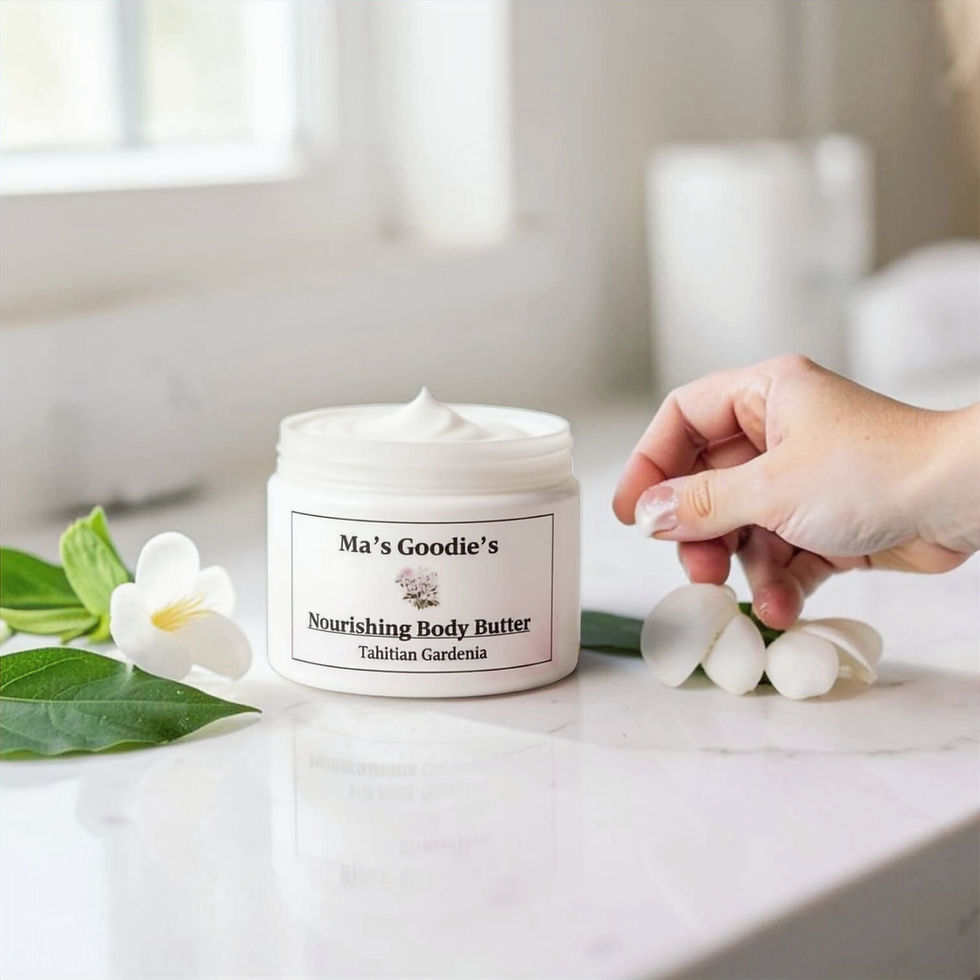
For particularly dry areas such as elbows, knees, hands and legs, a richer body butter can provide a more nourishing layer of moisture.
Our Nourishing Body Butter is made for everyday body care and absorbs easily without leaving a heavy, greasy feeling.
2. Keep Showers Warm, Not Hot
A long, hot shower can feel wonderful, especially during winter, but very hot water can remove some of the skin's natural oils.
Try using lukewarm water instead of very hot water and keep showers reasonably short.
Afterwards, gently pat your skin dry rather than rubbing it vigorously with a towel, then apply your moisturiser or body butter while your skin is still slightly damp.
3. Choose a Gentle Cleanser
Cleansing is important, but your cleanser doesn't need to leave your skin feeling squeaky clean.
If your skin feels tight immediately after washing, your cleanser may be too harsh or drying for your skin.
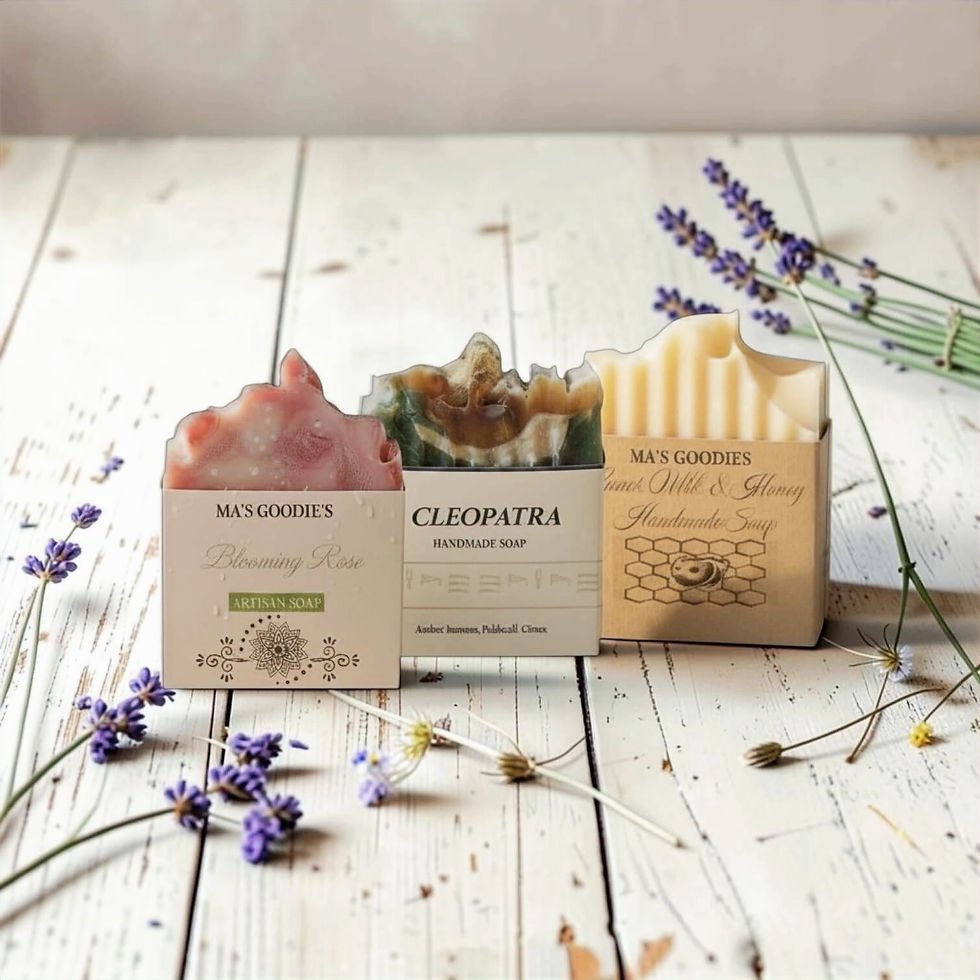
Gentle handmade soaps can be a lovely alternative for body cleansing. Our artisan soap collection includes handcrafted bars made with skin-loving oils and butters.
Choose a cleanser that leaves your skin feeling clean and comfortable rather than stripped.
4. Use a Humidifier When the Air Is Dry
Indoor heating and naturally dry winter air can make the environment less humid, which may contribute to dry-feeling skin.
A humidifier can add moisture to the air, particularly in bedrooms or heated rooms during colder months.
You don't need to make your home tropical — maintaining a comfortable level of humidity can be a useful addition to your winter skincare routine.
5. Don't Over-Exfoliate
Exfoliation can help remove built-up dead skin cells and leave skin feeling smoother, but more isn't necessarily better.
Over-exfoliating can leave skin feeling irritated and uncomfortable, particularly if your skin is already dry or sensitive.
If your skin is dry, start gently and avoid exfoliating irritated or damaged areas. Your skin's needs can also change with the seasons.
6. Protect Your Skin From the Sun
Sun protection matters throughout the year, not just during summer.
UV exposure can contribute to premature skin ageing and can affect the skin's overall appearance and condition. Use a broad-spectrum sunscreen appropriate for your skin and follow the product's directions for application and reapplication.
Keeping your skin protected is an important part of maintaining healthy-looking skin alongside moisturising and gentle cleansing.
7. Drink Enough Water
Your overall hydration matters for your general health, but drinking more water isn't a substitute for a good skincare routine.
Rather than focusing on a fixed number of glasses, drink regularly throughout the day and pay attention to your body's normal thirst signals.
For dry skin, think of hydration as a combination of healthy habits plus good topical skincare.
How to Keep Your Skin Hydrated in Winter
Winter can be particularly challenging for dry skin.
Cold outdoor air, indoor heating, wind and hot showers can all contribute to skin feeling drier than usual.
Try these simple winter skincare adjustments:
Use a richer body cream or body butter.
Keep showers warm rather than hot.
Moisturise immediately after bathing.
Pay extra attention to hands, elbows, knees and feet.
Consider using a humidifier in dry indoor spaces.
Avoid excessive exfoliation.
Choose gentle cleansing products.
A little extra attention during winter can help your skin stay comfortable and soft.
Keeping Skin Hydrated in Spring
Spring is a good time to reassess your skincare routine.
As temperatures rise, you may find that rich winter products feel heavier than you need. You can gradually move towards lighter lotions or moisturisers while continuing to moisturise consistently.
Gentle cleansing is still important, particularly after spending more time outdoors.
If your skin becomes easily irritated during seasonal changes, keep your routine simple and avoid introducing several new products at once.
Keeping Skin Hydrated in Summer
Summer brings a different set of challenges.
Heat, sun exposure, swimming and increased sweating can all affect how your skin feels.
For summer skin care:
Continue moisturising even when the weather is warm.
Use sunscreen every day.
Drink regularly throughout the day.
Shower after swimming to remove chlorine or salt water.
Choose lightweight moisturisers if richer products feel uncomfortable.
Avoid excessively hot showers.
Reapply sunscreen according to its directions when spending time outdoors.
Don't assume that oily or sweaty skin doesn't need moisturiser. Skin can still become dehydrated in warm weather.
Keeping Skin Hydrated in Autumn
Autumn is the perfect time to prepare your skincare routine for cooler weather.
As temperatures begin to drop, gradually introduce richer moisturisers and body butters if your skin starts feeling tighter or drier.
It's also a good opportunity to check the products you're already using. If your skin feels uncomfortable after cleansing, or you're experiencing persistent dryness, consider whether your routine needs simplifying.
What Is Body Lotion Used For?
Body lotion is designed to moisturise the skin and help keep it feeling soft and comfortable.
Depending on the formulation, body lotions can help:
Moisturise dry skin and improve its feel.
Soften rough areas such as elbows and knees.
Support the skin barrier by reducing moisture loss.
Improve the feel and appearance of skin with regular use.
A lighter body lotion can be particularly useful during warmer weather, while a richer body butter may be preferable when skin is very dry or during colder months.
Our Hand & Body Lotion is a nourishing option for everyday hand and body care. If you're looking for a moisturiser for your face, our guide to natural face moisturisers explores some of the best options for different skin needs.
Hydration for Different Parts of Your Body
Not every part of your skin has exactly the same needs.
Face
Facial skin can benefit from a moisturiser suited to your skin type. Look for products that provide comfortable hydration without leaving your skin feeling heavy or greasy.
Hands
Frequent hand washing, cold weather and exposure to cleaning products can leave hands feeling dry. Keep a hand cream nearby and apply it regularly, particularly after washing.
Elbows and Knees
These areas can become rough and dry because of their thicker skin and frequent friction. A richer moisturiser or body butter can help soften them.
Feet
Feet often need extra attention, particularly if the skin around the heels becomes rough or dry. Regular moisturising can help keep them feeling softer and more comfortable.
Can You Have Oily Skin and Still Need Hydration?
Yes.
Oily skin can still become dehydrated. Your skin may produce oil while lacking sufficient water, which can leave it feeling unbalanced.
If you have oily or combination skin, you don't necessarily need to avoid moisturiser. Instead, look for a lightweight formula that provides comfortable hydration without feeling overly heavy.
A Simple Daily Hydration Routine
You don't need a complicated 10-step routine to look after your skin.
Morning
Cleanse → Moisturise → Protect with sunscreen
After Showering
Gently cleanse → Pat dry → Apply body lotion or body butter while skin is slightly damp
Evening
Cleanse → Apply your facial moisturiser or treatment → Moisturise dry areas of the body
Consistency is more important than having a bathroom full of products.
The Bottom Line: Healthy Skin Starts With Consistency
Keeping your skin hydrated throughout the year doesn't require complicated skincare routines.
Focus on the basics:
Moisturise regularly.
Use gentle cleansing products.
Avoid excessively hot showers.
Don't over-exfoliate.
Protect your skin from the sun.
Adjust your moisturiser as the seasons change.
Support your overall health with good hydration and a balanced lifestyle.
Your skin's needs can change throughout the year, so pay attention to how it feels and adjust your routine accordingly.
For simple, nourishing body care, explore our full body care range, featuring handcrafted soaps, body washes, lotions and body butters made in New Zealand.


Comments